
Comparing Digital vs. Physical Artist Portfolio Displays

March 27, 2026

Share this article

In today’s evolving art landscape, artists face an important decision: how to present their work effectively. Should you rely on a digital portfolio, a physical portfolio, or a combination of both?


This article explores the key differences between digital and physical portfolios, outlining the advantages and limitations of each. By understanding how these formats function, artists can make informed decisions that improve visibility, strengthen their brand, and support sales.


Research highlights that an artist’s portfolio plays a central role in shaping their online identity, brand presence, and ability to connect with audiences.

*Defining Digital Art Portfolios: An Alternative to Physical Artworks

For this study, a digital portfolio refers to a collection of work recorded and assembled in digital formats as an alternative to physical artworks.


Digital portfolios in visual arts classrooms, 2008

What Are the Key Differences Between Digital and Physical Artist Portfolios?

Digital and physical portfolios serve the same purpose: presenting your work professionally. However, they differ significantly in reach, accessibility, and experience.


Digital portfolios can be accessed from anywhere, allowing artists to reach a global audience. Physical portfolios, on the other hand, are limited to in-person settings, which can restrict exposure but create more personal interactions.


This shift toward digital formats reflects how artists are increasingly using technology to expand their audience and opportunities.

*Traditional vs. Digital Art Portfolios: Understanding the Shift

Digital portfolios represent a technological evolution in how artists present their work, incorporating tools for organization, presentation, and accessibility.


Portfolios—From traditional to digital, 2000

Digital portfolios also allow for multimedia elements such as video, animation, and interactive galleries. Physical portfolios offer a tactile, personal experience that can be powerful in face-to-face settings.


How Do Presentation Methods Vary Between Digital and Physical Portfolios?

Digital and physical portfolios offer different ways to present your work.

Digital portfolios include:

  • Websites: Custom-designed platforms that showcase your work professionally


  • Social media: Tools like Instagram for sharing and discovery


  • Online galleries: Curated spaces for broader exposure

Physical portfolios include:

  • Printed books: Professionally bound collections of your work


  • Exhibitions: Gallery or show-based presentations


  • In-person presentations: Direct conversations about your work

Choosing the right method depends on your goals and audience.


What Are the Advantages and Limitations of Each Portfolio Type?

Portfolio Type Advantages Limitations
Digital Portfolios Global reach and accessibility, Multimedia capabilities, Easy to update and maintain Requires internet access, Less personal interaction, Potential technical issues
Physical Portfolios Tangible and personal experience, Strong for in-person presentations, No technical barriers Limited audience reach, Higher production costs, Difficult to update

*Digital Art Platforms: Marketing, Sales, and Artist Challenges

Artists using digital platforms may face challenges such as protecting their work and navigating third-party fees, but they also gain significant opportunities for visibility and sales.


Digital Platforms and Art Practice, 2024

What Benefits Do Digital Artist Portfolio Platforms Offer?

How Do Online Portfolio Features Improve Visibility and Sales?

How Do Platforms Support Effective Digital Portfolios?

What Are Effective Physical Portfolio Ideas?

How Can Artists Improve In-Person Portfolio Displays?

How Can Artists Combine Digital and Physical Portfolios?

How Can Artists Improve Sales Through Digital Portfolios?

How Do Platforms Support Online Art Sales?

Recent Posts

March 26, 2026
In today’s landscape, an artist’s website is more than a portfolio. It’s how your work is experienced, understood, and ultimately engaged with. A well-built site does more than display images. It creates clarity around the work, makes it easy to navigate, and supports how people discover and purchase it. Many artists struggle with this balance. Sites often end up either visually strong but difficult to use, or functional but disconnected from the work itself. This guide focuses on how to build a website that does both — present your work clearly and support real engagement and sales. 
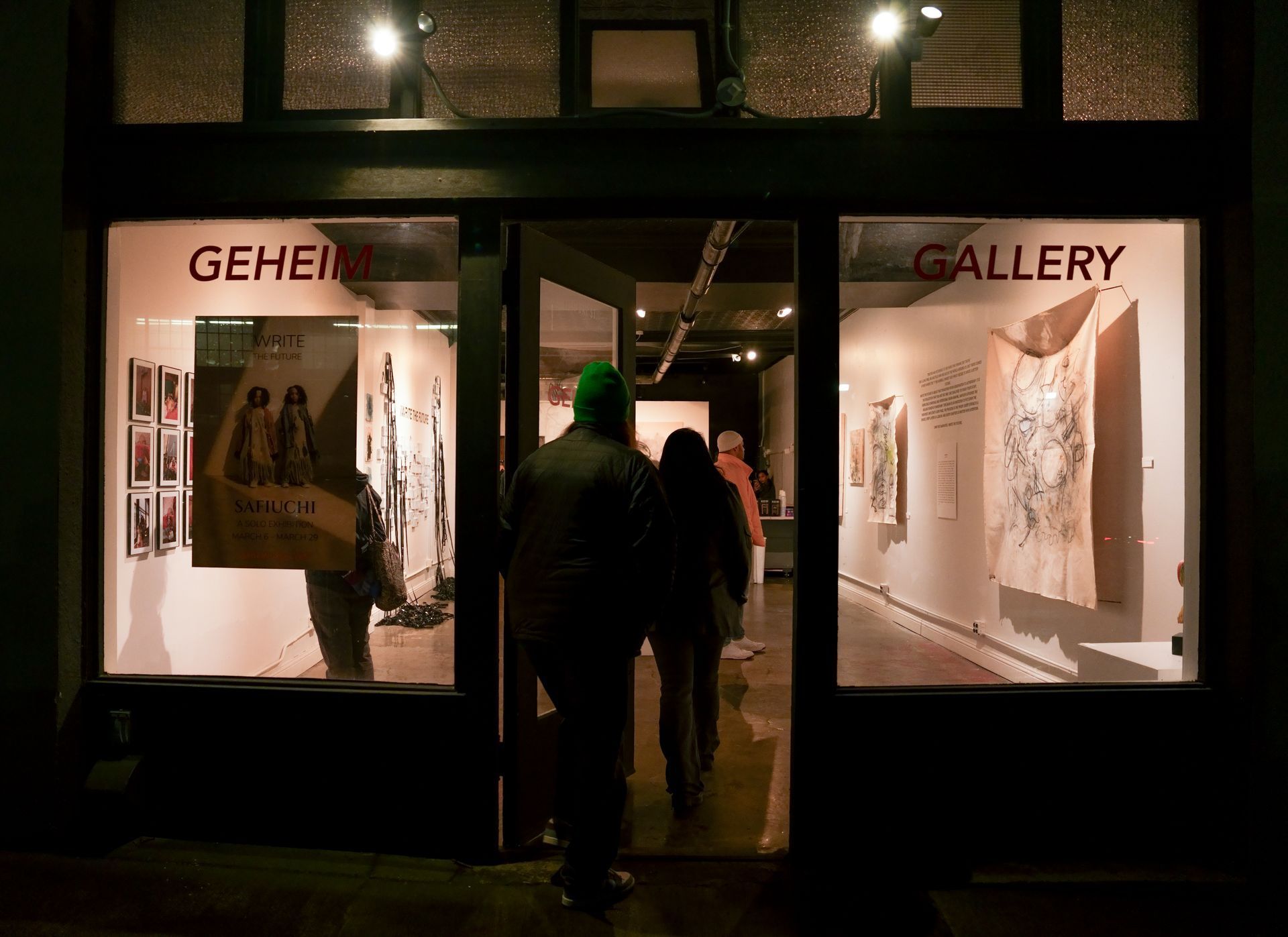
Two people walk through the open door of an art gallery titled
March 24, 2026
We’re excited to collaborate with Geheim Gallery . Galleries play an important role in how artwork is experienced, understood, and shared. They create context around the work, support artists in meaningful ways, and bring people into direct contact with what’s being made. Geheim is one of those spaces. Their program reflects a thoughtful approach to both artists and audience, creating exhibitions that feel intentional and grounded in the work itself. 
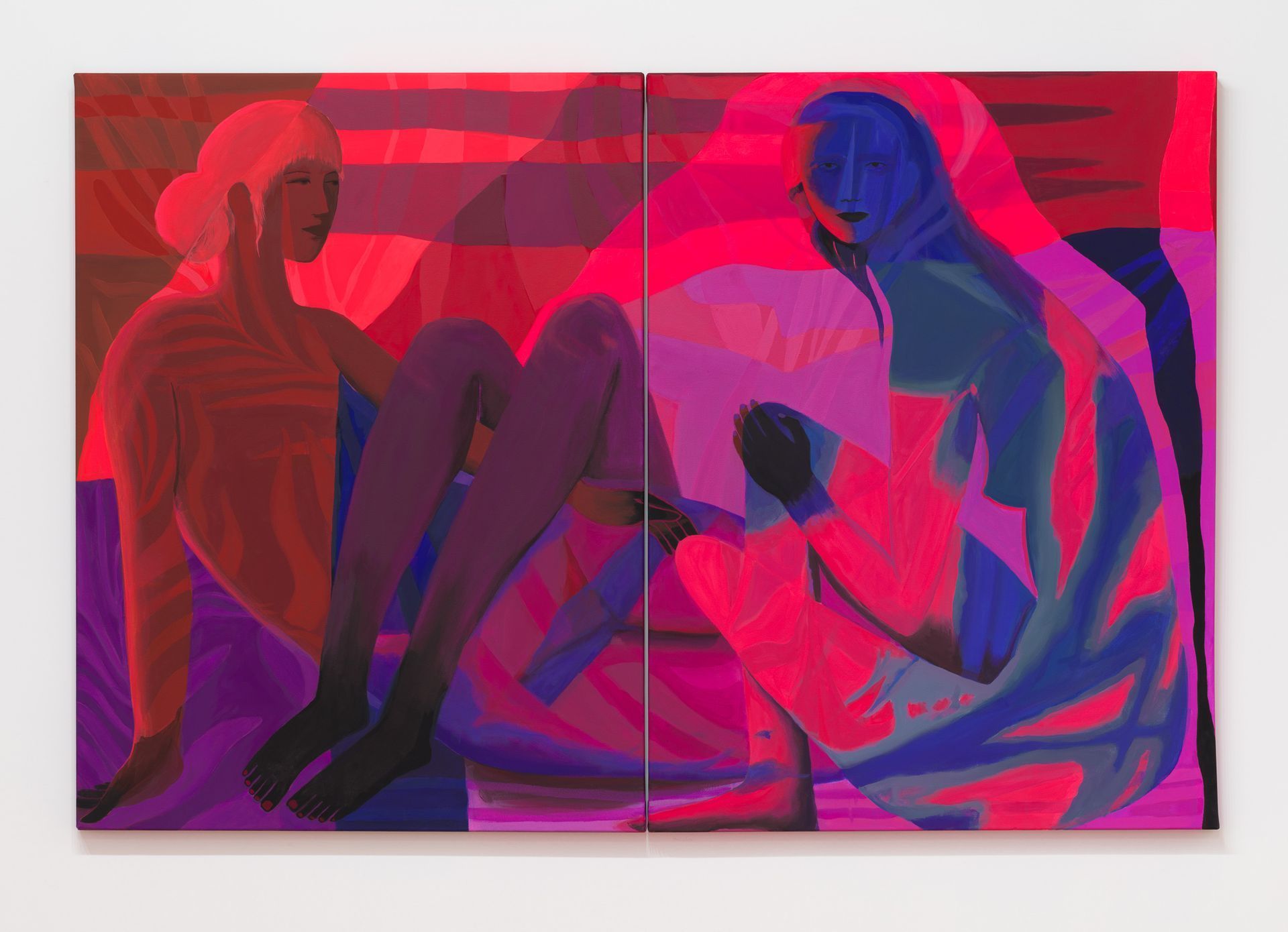
Two figures sit against a vibrant red background in this diptych, rendered in bold, abstract patterns of pink and blue.
March 24, 2026
There’s a quiet part of building a creative practice that no one really talks about. It’s the part where nothing feels like it’s happening. Where you’re doing the work, but not seeing the result yet. So you tell yourself things. That the gallery will respond. That the grant is coming. That someone important has already seen your work. Some of those things are true. Some of them just help you keep going. This is a small version of that. Slowed down, a little soft, and very real.
March 17, 2026
Selling art online has become an essential avenue for artists to reach a broader audience and generate income. With the rise of digital platforms, artists can showcase their work, connect with potential buyers, and manage sales from the comfort of their homes. This article will explore effective strategies for selling art online, including choosing the right platforms, pricing strategies, marketing techniques, and the importance of community engagement. By understanding these elements, artists can enhance their online presence and maximize their sales potential.
A tablet displaying the Plinths webpage, two small product boxes, and dried flowers on a white round table over a green rug.
March 11, 2026
Selecting the right website builder is crucial for artists who want to showcase their work and sell online. With so many platforms available, it can be difficult to determine which option best fits your needs. This guide covers the essential features artists should look for when choosing a website platform, including design flexibility, e-commerce tools, SEO optimization, and pricing structures. Understanding these factors will help you make an informed decision that strengthens your online presence and supports your creative practice. Research consistently shows that an artist’s website plays a critical role in establishing online identity, branding, and e-commerce functionality.