How to Sell Art Online Successfully

March 17, 2026

Share this article

Selling art online has become an essential avenue for artists to reach a broader audience and generate income. With the rise of digital platforms, artists can showcase their work, connect with potential buyers, and manage sales from the comfort of their homes. This article will explore effective strategies for selling art online, including choosing the right platforms, pricing strategies, marketing techniques, and the importance of community engagement. By understanding these elements, artists can enhance their online presence and maximize their sales potential.

Platforms

When it comes to selling art online, selecting the right platform is crucial. Various e-commerce platforms cater specifically to artists, providing customizable galleries and integrated payment solutions. These platforms not only allow artists to showcase their work but also offer tools for managing sales and customer interactions.


Indeed, the expansion of e-commerce has significantly broadened the reach for artists, allowing them to connect with a global audience.

E-Commerce: Empowering Artists in the Global Art Market

Online art market is also giving an advantage to the small town artists to reach the global market more widely. Art rental platform Artenthuse, “such platforms render artists more power


E-Commerce: The New Art Market, A Rani, 2017

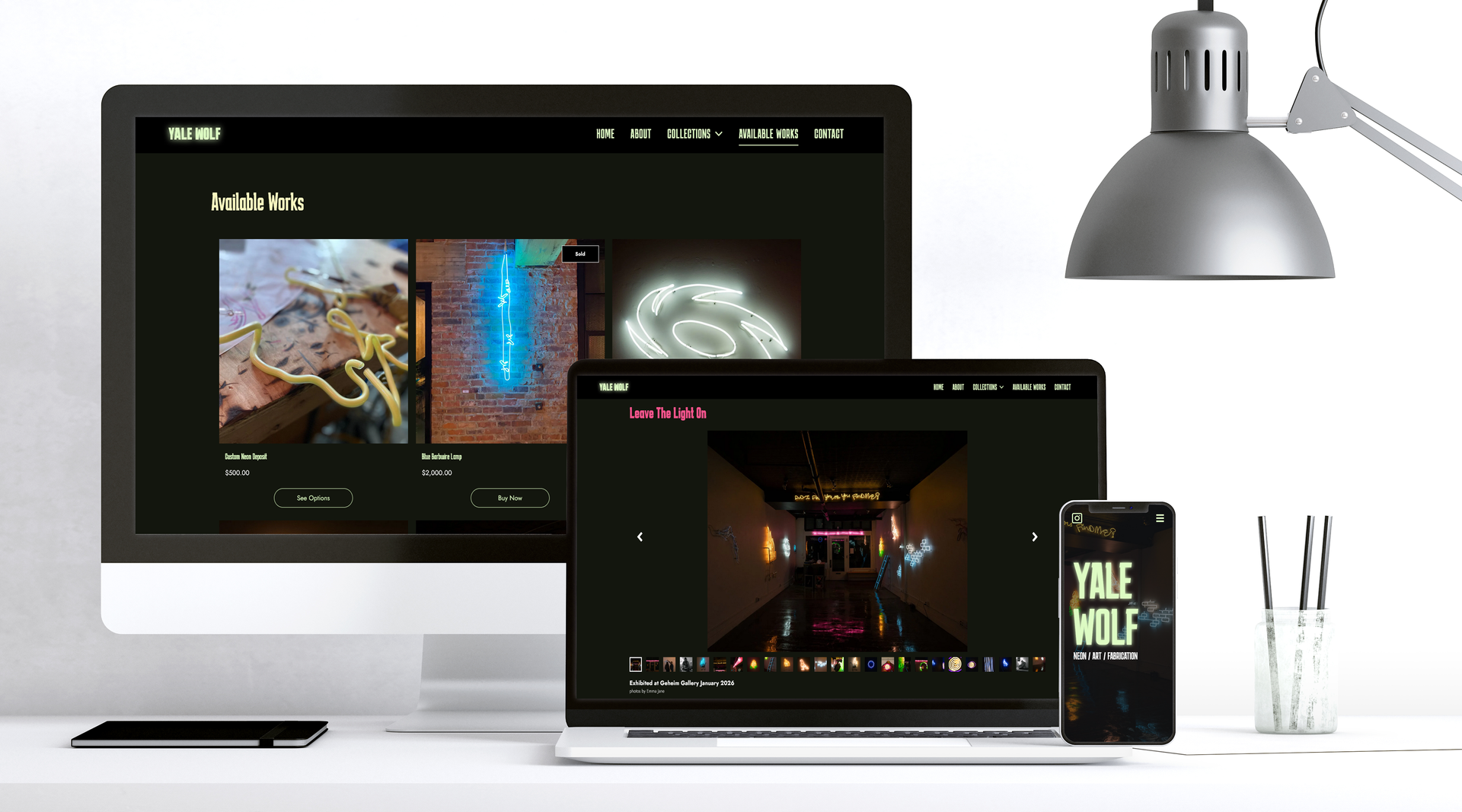
Plinths, for instance, is a digital platform focused on empowering artists and creatives to build professional websites and manage online art sales effectively. By utilizing such platforms, artists can benefit from features like SEO optimization, which enhances visibility and attracts more potential buyers. Additionally, comparing different platforms can help artists find the best fit for their unique needs, ensuring they can effectively reach their target audience.

Pricing Strategies

Innovative Pricing Strategies for Emerging Artists

The paper investigates the pricing strategies of newly-graduated artists and identifies innovative strategies more suited to achieving sustainable practice.


To sell or not to sell?


Pricing strategies of newly-graduated artists, B Lee, 2022

For artists using Plinths, there are several subscription plans available to suit different needs:

Plan Type Monthly Cost Features
DIY $20 Basic website builder
Basic $60 Enhanced features & support
Studio $100 Advanced e-commerce capabilities
Master $150 Comprehensive marketing tools

Plinths does not take a commission from sales, allowing artists to retain more of their earnings. This structure can significantly impact pricing strategies, enabling artists to price their work more competitively.

Marketing Techniques

Effective marketing is essential for driving traffic to your online art sales. Here are some key marketing techniques that artists can implement:


  1. Social Media Promotion: Utilize platforms like Instagram and Facebook to showcase your artwork and engage with followers.

  2. Email Marketing: Build an email list to keep potential buyers informed about new works, exhibitions, and promotions.

  3. SEO Optimization: Ensure your website is optimized for search engines to increase visibility and attract organic traffic.


The effectiveness of these marketing efforts, particularly on social media, often hinges on understanding how consumers perceive and react to artist promotions.

Consumer Perception of Artist Marketing on Social Media

The second subquestion intends to decipher how consumers perceive artist marketing in social media and react to it: How do consumers perceive artist marketing in social media


The use of social media for artist marketing: Music industry perspectives and consumer motivations, J Salo, 2013

Plinths offers marketing support tools that can help artists enhance their online presence. By leveraging these tools, artists can create targeted campaigns that resonate with their audience, ultimately leading to increased sales.

Community Engagement

Image Credit: "Crowd Cheering" by Ariel Parrow

Recent Posts

A tablet displaying the Plinths webpage, two small product boxes, and dried flowers on a white round table over a green rug.
March 11, 2026
Selecting the right website builder is crucial for artists who want to showcase their work and sell online. With so many platforms available, it can be difficult to determine which option best fits your needs. This guide covers the essential features artists should look for when choosing a website platform, including design flexibility, e-commerce tools, SEO optimization, and pricing structures. Understanding these factors will help you make an informed decision that strengthens your online presence and supports your creative practice. Research consistently shows that an artist’s website plays a critical role in establishing online identity, branding, and e-commerce functionality.