Beyond the Gallery: What Every Artist Needs in a High-Performing Online Portfolio

May 13, 2026

Share this article

Your website shouldn't just be a digital archive; it should be the most hardworking piece of equipment in your studio. At Plinths, we believe a professional portfolio is the bridge between your physical practice and the global art market. Whether you are looking to land a residency or sell an original canvas, your online presence needs to do more than just "look good"—it needs to convert.

What Are the Essential Components of a Professional Artist Portfolio?

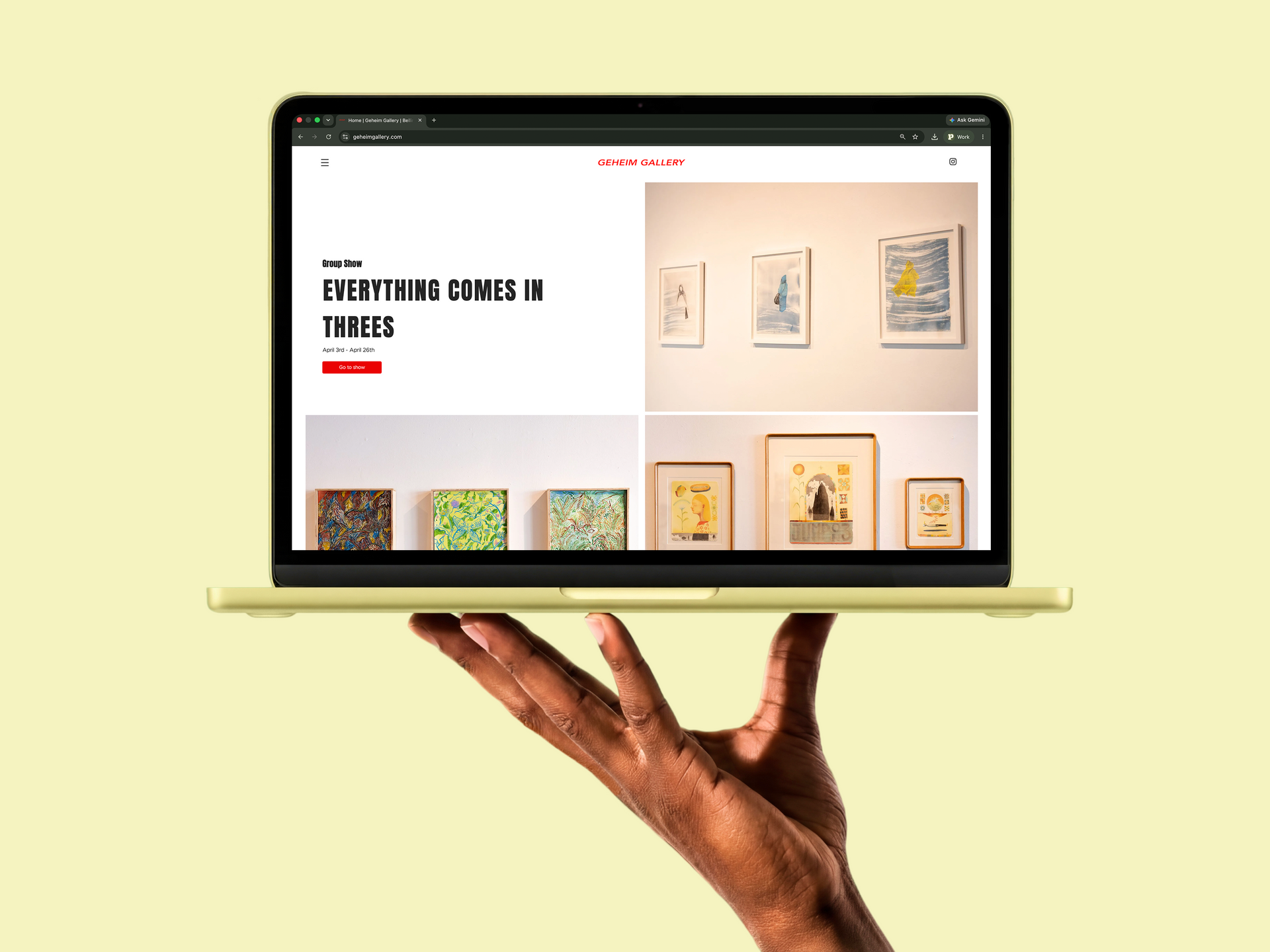
To stand out in a crowded digital landscape, your portfolio must function as a seamless extension of your studio. When we talk about the best portfolio websites for artists, we’re looking for a balance of high-end aesthetics and "frictionless" functionality. Collectors decide within seconds if they trust a site enough to make a purchase.

Every professional portfolio needs these five pillars:

  • A Curated Gallery: Don’t show everything you’ve ever made. Show the work that represents where you are going next.
  • The "Why" (Artist Statement): People don’t just buy art; they buy the story. Use your About Page to invite them into your process.
  • Transparent Logistics: Clear shipping policies, framing options, and contact details.
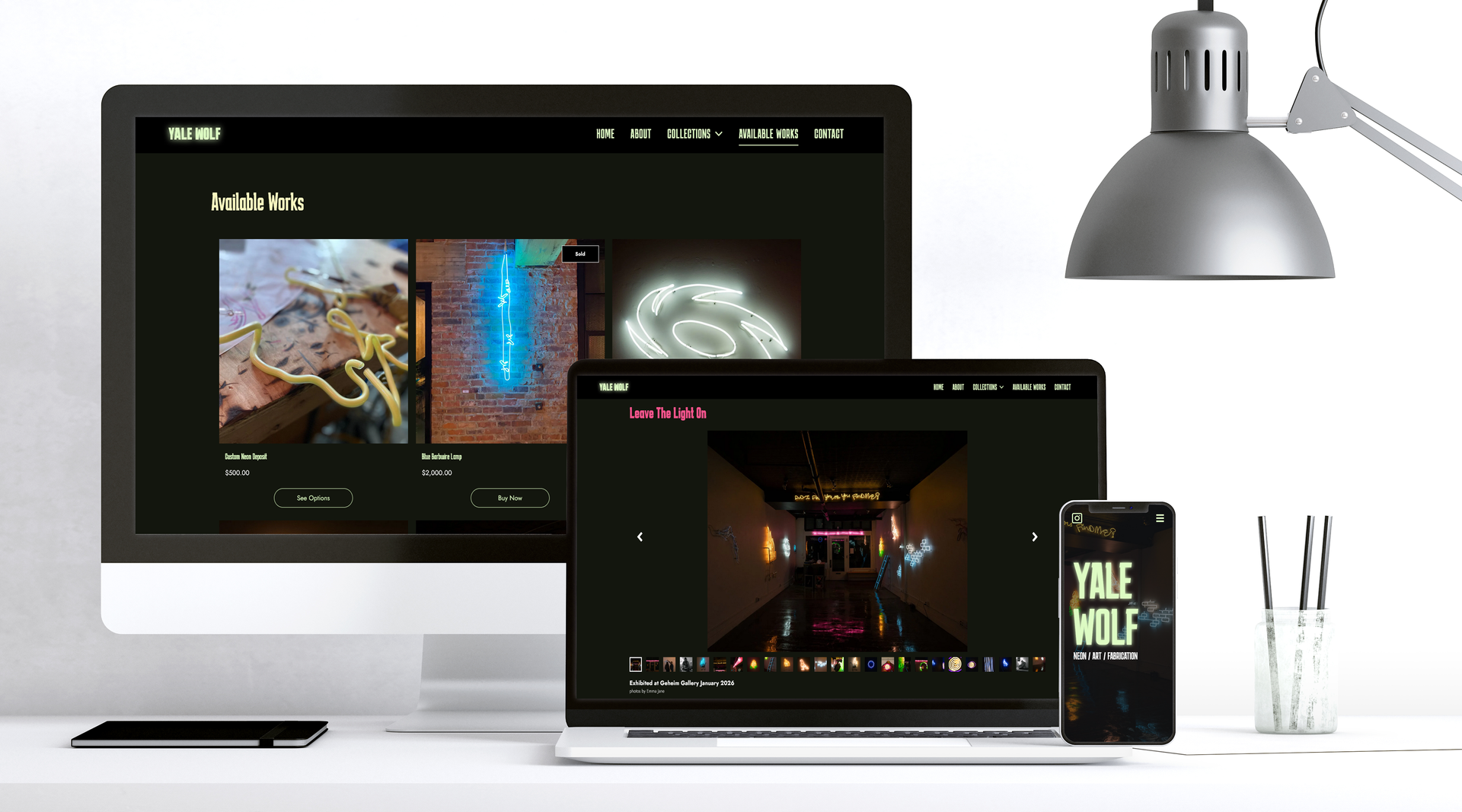
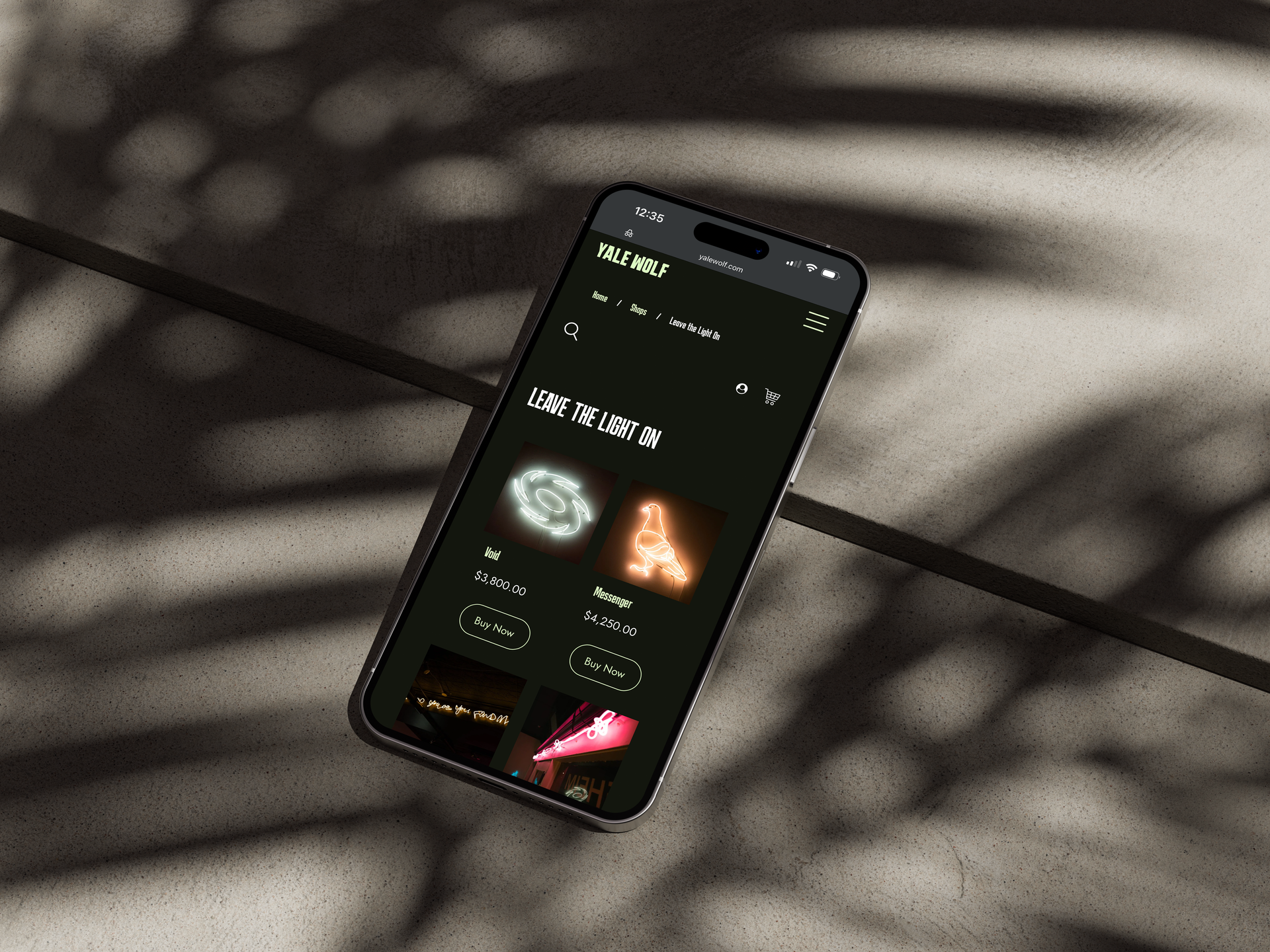
  • Mobile-First Design: Most art discovery happens on social media; your site must look stunning on a phone.
  • Direct Sales Paths: Don’t make people "email for price" if you can help it. Integrated e-commerce is the gold standard.
Creative at Work

5 Ways to Sell Art Through Your Plinths Portfolio

Having a beautiful site is only half the battle. To build a sustainable practice, you need to diversify how you capture value. Here are five ways to turn your portfolio into a revenue engine:

  • Direct Original Sales: Sell one-of-a-kind pieces with secure, integrated checkout.
  • Limited Edition Prints: Offer high-quality reproductions to reach collectors at different price points.
  • Digital Downloads & Assets: As discussed in our research on Digital Artist Passive Income, selling 3D assets or brushes can provide steady secondary revenue.
  • Commission Requests: Use custom forms to manage the intake of bespoke projects without the back-and-forth email chains.
  • Exclusive "Drops": Use your Email List to create urgency for new collections.
Artist Studio

Artwork Display Techniques That Build Trust

In a physical gallery, lighting and placement are everything. Online, your photography has to do the heavy lifting. To truly showcase and sell art, consider these presentation techniques:

  • In-Situ Photography: Show your work in a living space. It helps potential buyers visualize scale and moves the thought from "That's nice" to "That belongs in my home."
  • Detail Crops: High-resolution images that show texture, brushstrokes, or the grain of the paper.
  • Video Walkthroughs: A 10-second clip of you moving the piece in natural light can close a sale faster than any static photo.
Portfolio Display

For a deeper dive into this, see our guide on Comparing Digital vs. Physical Artist Portfolio Displays.

Building Your Creative Space with Plinths

Many artists feel stuck between generic website builders and complex platforms that require a computer science degree. We built Plinths to solve the "tech-fatigue" problem.


Our Build Process is designed for the studio flow. We handle the SEO optimization, hosting, and mobile responsiveness, so you can stay focused on the work. When you're ready to get started, we’re here to help you build a digital pedestal that does your art justice.

  • Prioritize Speed: High-res images shouldn't mean slow load times.
  • Authenticity Wins: Link your site to your Artist Affirmations or studio journals to build a connection.
  • Always Be Closing: Every page should have a clear "next step," whether it's "View Collection" or "Inquire."

Recent Posts

Person holding a fluffy gray microphone close to their mouth, with subtitles visible at the bottom.
April 23, 2026
Watch Part 2 of our ASMR Artist Affirmation series. Explore the psychological journey of the "quiet" phases in an artist's career and how to keep going.

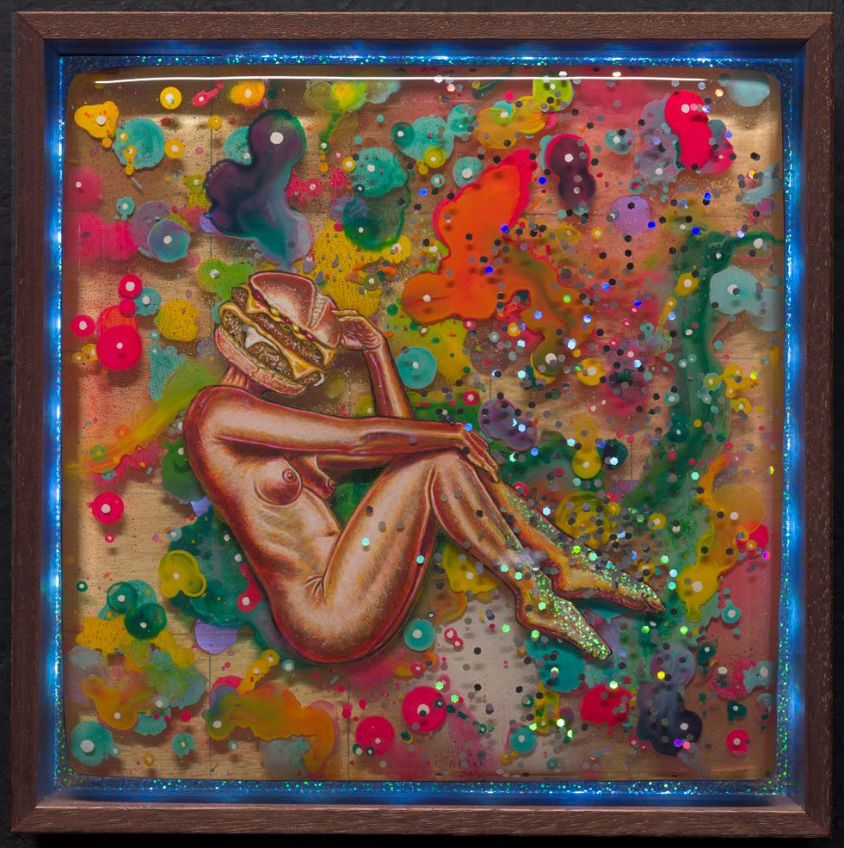
A ceramic beckoning cat figurine with a stack of hamburgers for a head, set against a dark background.
April 15, 2026
Tired of the tech grind? Turn your artist website into a digital gallery that works for you with 3 essential tips for streamlining your creative business.
March 27, 2026
In today’s evolving art landscape, artists face an important decision: how to present their work effectively. Should you rely on a digital portfolio, a physical portfolio, or a combination of both? This article explores the key differences between digital and physical portfolios, outlining the advantages and limitations of each. By understanding how these formats function, artists can make informed decisions that improve visibility, strengthen their brand, and support sales.  Research highlights that an artist’s portfolio plays a central role in shaping their online identity, brand presence, and ability to connect with audiences.
March 26, 2026
In today’s landscape, an artist’s website is more than a portfolio. It’s how your work is experienced, understood, and ultimately engaged with. A well-built site does more than display images. It creates clarity around the work, makes it easy to navigate, and supports how people discover and purchase it. Many artists struggle with this balance. Sites often end up either visually strong but difficult to use, or functional but disconnected from the work itself. This guide focuses on how to build a website that does both — present your work clearly and support real engagement and sales. 
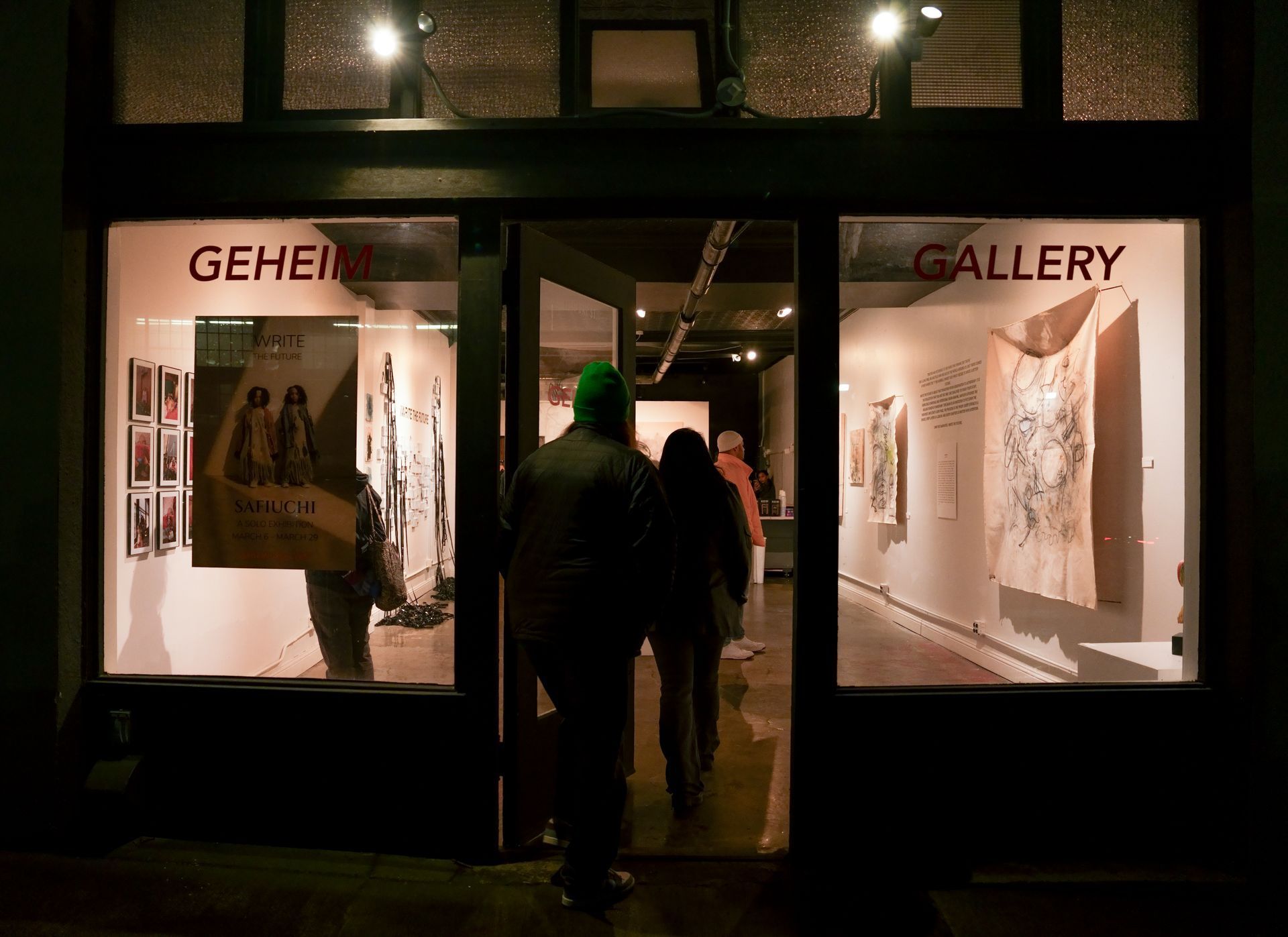
Two people walk through the open door of an art gallery titled
March 24, 2026
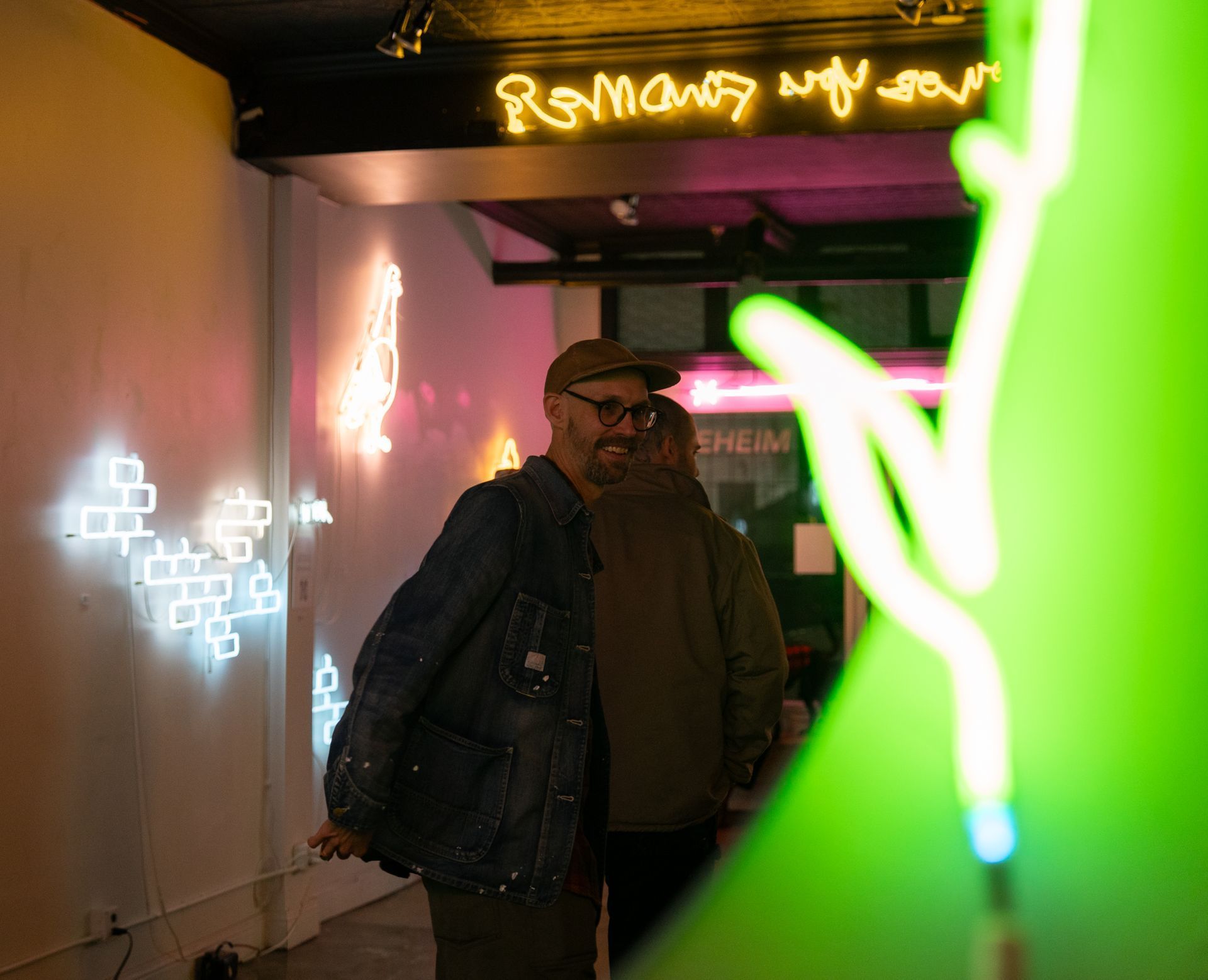
We’re excited to collaborate with Geheim Gallery . Galleries play an important role in how artwork is experienced, understood, and shared. They create context around the work, support artists in meaningful ways, and bring people into direct contact with what’s being made. Geheim is one of those spaces. Their program reflects a thoughtful approach to both artists and audience, creating exhibitions that feel intentional and grounded in the work itself. 
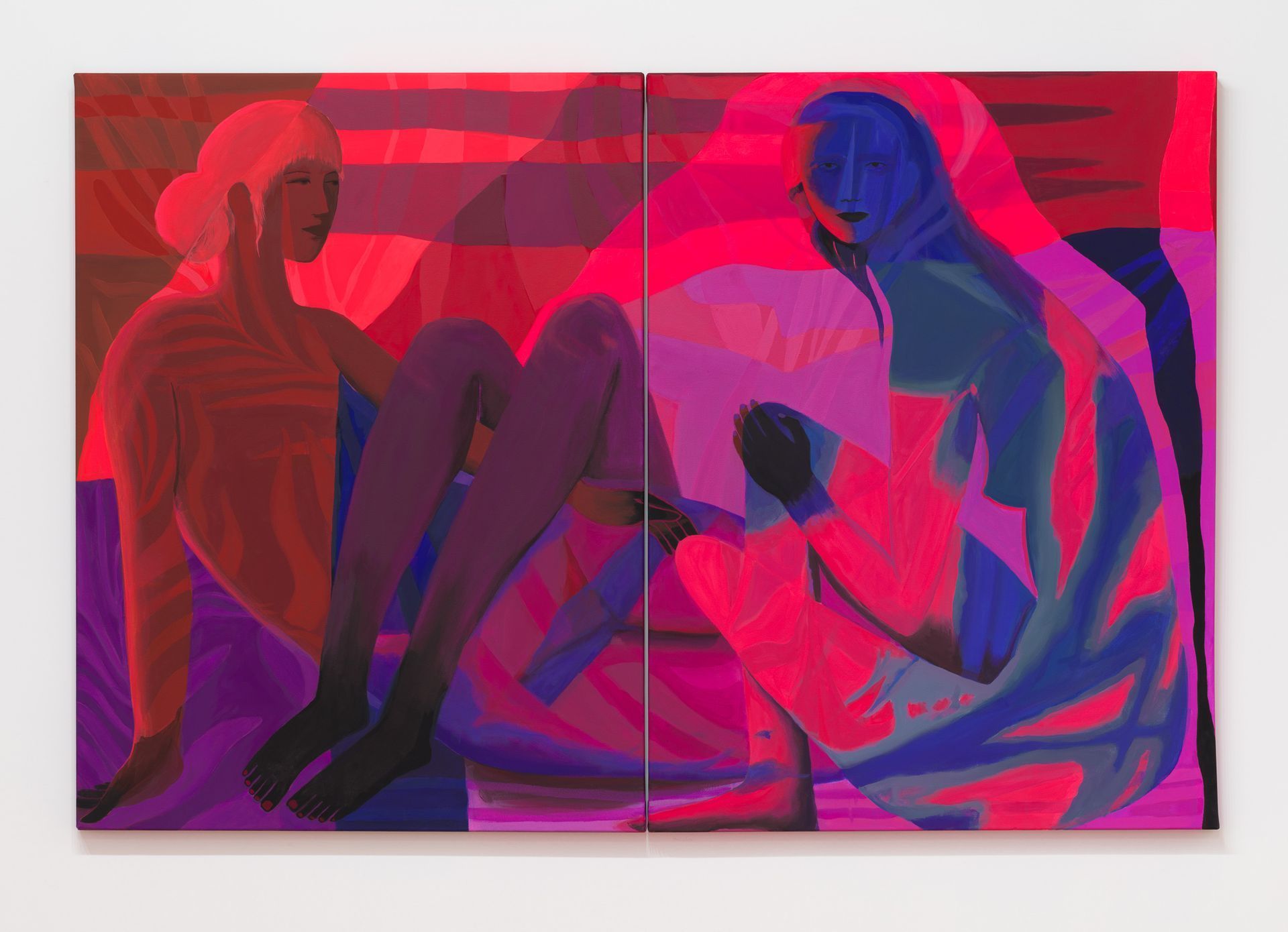
Two figures sit against a vibrant red background in this diptych, rendered in bold, abstract patterns of pink and blue.
March 24, 2026
There’s a quiet part of building a creative practice that no one really talks about. It’s the part where nothing feels like it’s happening. Where you’re doing the work, but not seeing the result yet. So you tell yourself things. That the gallery will respond. That the grant is coming. That someone important has already seen your work. Some of those things are true. Some of them just help you keep going. This is a small version of that. Slowed down, a little soft, and very real.
A rectangular artwork by Ariel Parrow with a light blue background and the words
March 17, 2026
Selling art online has become an essential avenue for artists to reach a broader audience and generate income. With the rise of digital platforms, artists can showcase their work, connect with potential buyers, and manage sales from the comfort of their homes. This article will explore effective strategies for selling art online, including choosing the right platforms, pricing strategies, marketing techniques, and the importance of community engagement. By understanding these elements, artists can enhance their online presence and maximize their sales potential.
A tablet displaying the Plinths webpage, two small product boxes, and dried flowers on a white round table over a green rug.
March 11, 2026
Selecting the right website builder is crucial for artists who want to showcase their work and sell online. With so many platforms available, it can be difficult to determine which option best fits your needs. This guide covers the essential features artists should look for when choosing a website platform, including design flexibility, e-commerce tools, SEO optimization, and pricing structures. Understanding these factors will help you make an informed decision that strengthens your online presence and supports your creative practice. Research consistently shows that an artist’s website plays a critical role in establishing online identity, branding, and e-commerce functionality.